
Understanding series and trends
Reading time series, seasonality, trend, breaks, outliers and data quality. Participants first learn to identify what the data can genuinely support.
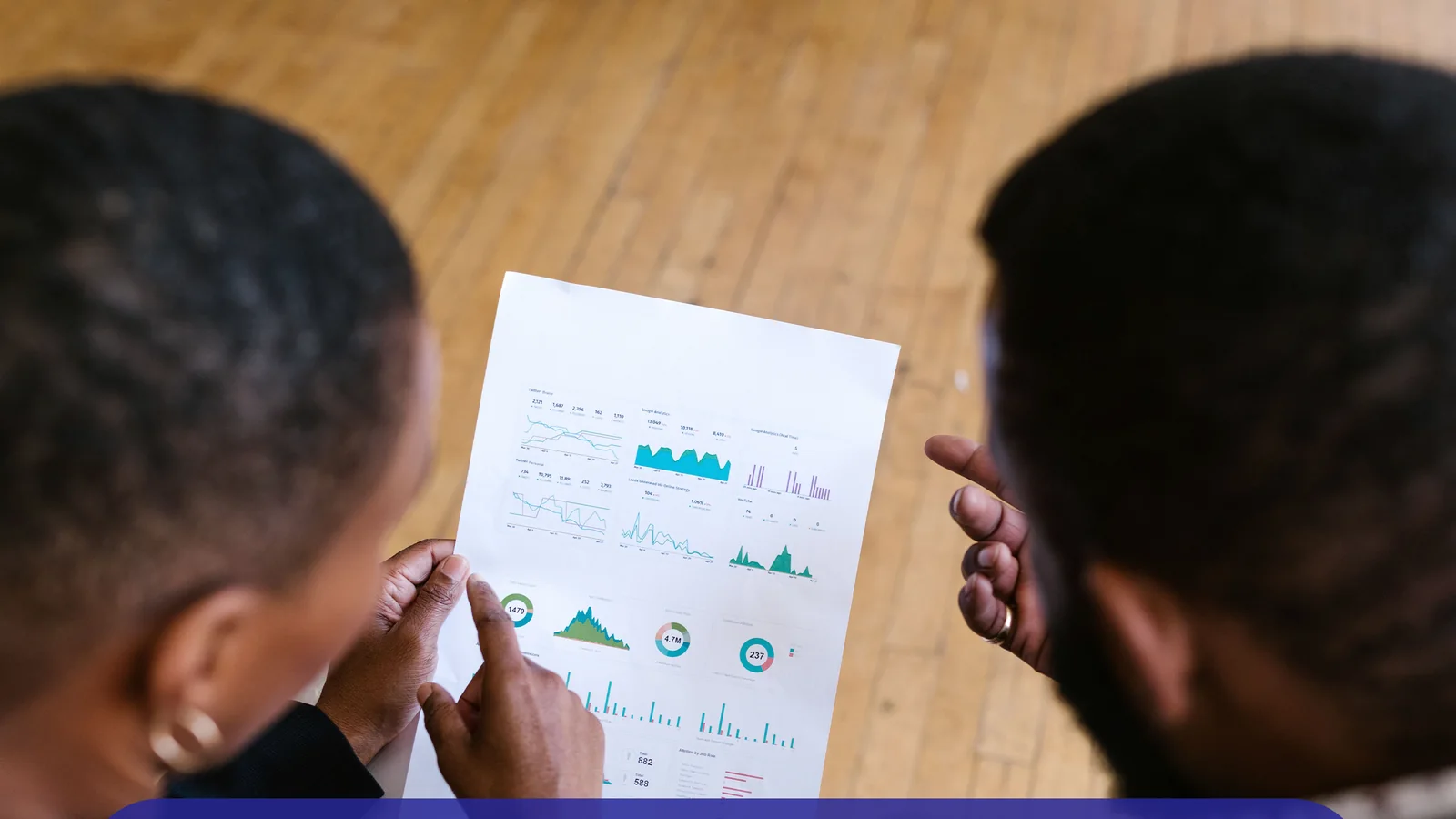
A practical programme for using historical data, understanding trends and building forecasts that support planning. Participants learn to structure a forecasting process, test assumptions and interpret models without treating estimates as certainties.
In an environment where sales, costs, cash flow, prices, exchange rates and lead times may change rapidly, forecasting is useful when assumptions are visible and alternative scenarios can be tested. The programme prioritizes understandable, documented models suited to the quality of available data.
Reading time series, seasonality, trend, breaks, outliers and data quality. Participants first learn to identify what the data can genuinely support.
Building forecasts for sales, costs, cash flow, inventory or activity volumes, with emphasis on assumptions, scenarios, forecast error and practical management use.
A practical introduction to model estimation, diagnostics, specification comparison and forecasting with EViews, adapted to participant level and data quality.
Building, testing and interpreting a model suited to a management, economics or research question, with explicit documentation of limits and uncertainty.
Turning results into management scenarios: central case, prudent case, upside case, warning thresholds and review points. The programme does not promise to predict the future; it teaches better preparation for decisions.
The final scope is defined after scoping and review of available information.
Structured training material.
Guided exercises in Excel and/or EViews.
Practice dataset or case adapted to the group.
Documented forecasting model.
Framework for interpreting results and forecast error.
Certificate of participation when included in the engagement.
You want a team to become more autonomous with a tool or method.
You want training connected to real tasks and working files.
You need a structured programme, guided exercises and reusable material.
You want to clarify good practices and interpretation limits.
An initial conversation clarifies the need, available data, users and timeline.
Speak to a consultant↗This assistant provides general guidance and does not replace personalized legal, tax or financial advice.