
Building a strong research problem
Scoping the topic, defining the research question, objectives and hypotheses, and maintaining logical alignment between the problem and the information needed to answer it.
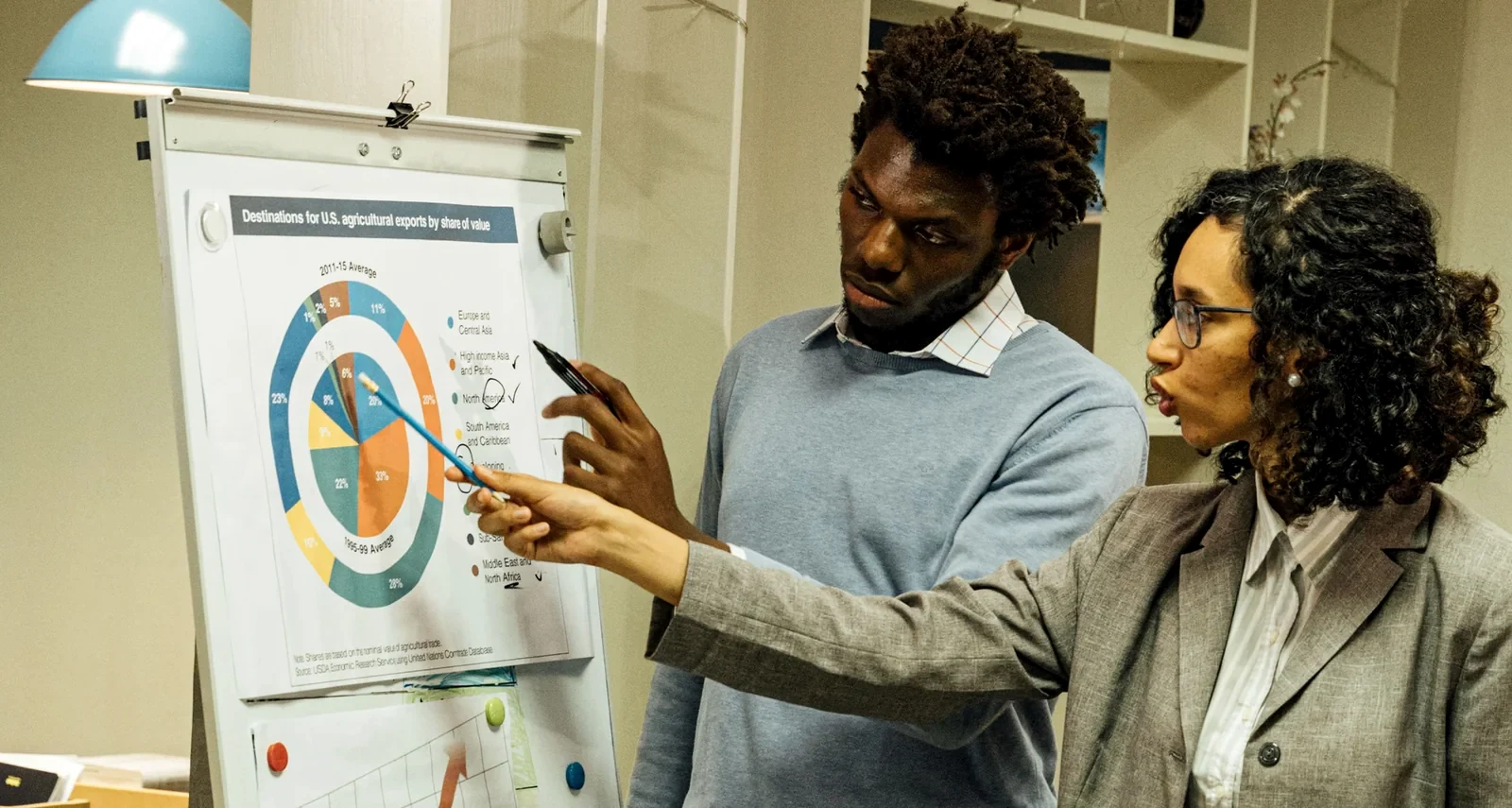
A programme for students, researchers, doctoral candidates and professionals who want to build rigorous research—from the research problem and hypotheses through data collection, analysis and presentation of findings.
The quality of a thesis, study or research project depends on coherence between the research question, variables, field setting, collection tools and analytical method. The programme emphasizes this chain of coherence and transparent methodological choices.
Scoping the topic, defining the research question, objectives and hypotheses, and maintaining logical alignment between the problem and the information needed to answer it.
Defining concepts, indicators, dimensions, units of observation and measurement criteria to avoid questionnaires that are difficult to analyse or analyses disconnected from the original question.
Questionnaires, interview guides, observation grids and collection protocols selected according to population, field context, data type and operational constraints.
Selecting appropriate treatments, presenting tables and charts, separating description from interpretation, testing findings against hypotheses and documenting limitations.
Preparing corpora from interviews, open-ended questions and documents, understanding text-processing principles and interpreting outputs within a coherent research design.
The final scope is defined after scoping and review of available information.
Structured methodology material.
Research coherence matrix template.
Questionnaire and interview-guide examples.
Variable operationalization framework.
Analysis and interpretation exercises.
Certificate of participation when included in the engagement.
You want a team to become more autonomous with a tool or method.
You want training connected to real tasks and working files.
You need a structured programme, guided exercises and reusable material.
You want to clarify good practices and interpretation limits.
An initial conversation clarifies the need, available data, users and timeline.
Speak to a consultant↗This assistant provides general guidance and does not replace personalized legal, tax or financial advice.